
Online Therapy for Young Adults in Houston and across Texas
Rachel Tolentino, MA, LPC, sees young adults ages 18 to 30 from across Texas. She has more than 15 years in school counseling, crisis response, and inpatient psychiatric care experience. At 18 and older, you are the client, and your parents don't get information about your sessions unless you sign a release. Clear Lake Psychotherapy clinicians are in network with Aetna, Blue Cross Blue Shield, UnitedHealthcare/Optum, Oxford, GEHA, and other PPO plans.
What do young adults come to therapy for?
Most of the people I see between 18 and 30 come in because something that used to work stopped working. It might be school, a relationship, a job, or the plan you had for your life. With young adults, I focus on:
- Anxiety, including overthinking, panic, and second-guessing every decision
- Depression and losing interest in things that used to matter
- Starting college, finishing college, or moving back home afterward
- A first full-time job, or a job that isn't what you expected
- Breakups, friendships that drifted, and loneliness and dating
- Figuring out who you are apart from what your family expected
- Trauma, including things that happened years ago and are showing up now
- Setting boundaries with your parents and other people who matter to you while staying close to them
You might come in with one clear problem. You might come in saying, "I just need someone to help me figure out what to do." Either one is a fine place to start.
Is a quarter-life crisis a real reason to start therapy?
Yes. "Quarter-life crisis" isn't a diagnosis, but the anxiety and low mood behind it are common at this age and treatable. Young adults ages 18 to 25 have the highest rate of mental illness of any adult age group in the U.S. On average from 2022 to 2024, 34.4 percent had a mental illness in the past year, compared with 14.4 percent of adults 50 and older, according to the Substance Abuse and Mental Health Services Administration (SAMHSA, 2025). Only about half of young adults with a mental illness received any mental health treatment that year: 49.1 percent, according to the National Institute of Mental Health's analysis of 2022 survey data.
Part of the reason is timing. Between 18 and 30, school structure ends and most people move at least once. The adults who used to notice when something was off usually aren't around every day anymore.

Who am I, and how do I work with young adults?
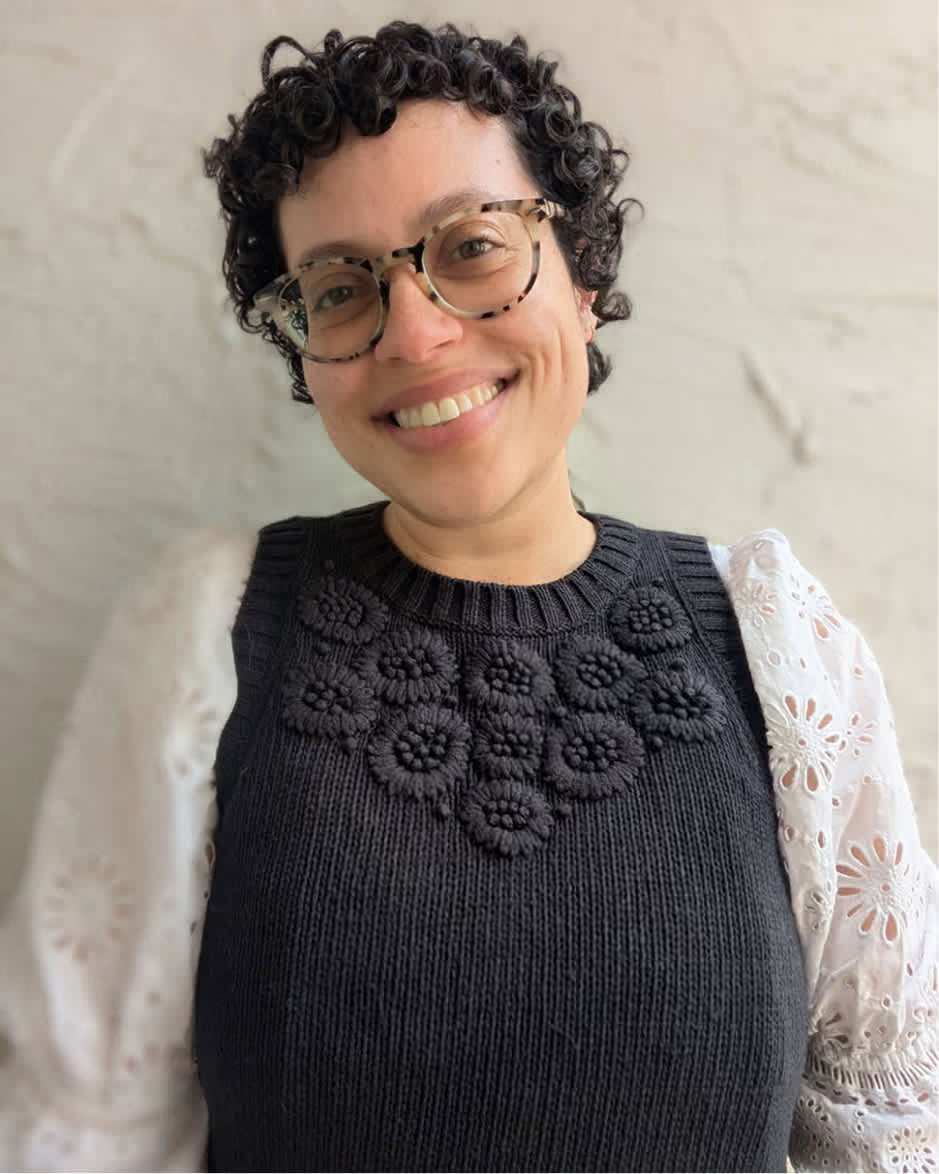
I'm Rachel Tolentino, a licensed professional counselor in Texas (LPC #70768) with a master's degree in clinical psychology from the University of Houston-Clear Lake. I've spent more than 15 years working with people through some of their hardest moments, in crisis response, inpatient psychiatric care, and counseling students in schools. I see clients ages 13 to 30, and I've built my practice around teens and young adults.
Therapy shouldn't be another place where someone tells you how to feel or who you need to become. It's a place to be honest, ask questions, change your mind, and say the things you haven't quite figured out how to say anywhere else. My approach is collaborative and trauma-informed. Depending on what you're dealing with, I draw on cognitive behavioral therapy (CBT), trauma-focused CBT, mindfulness-based work, and person-centered therapy.
Which therapists at Clear Lake Psychotherapy see young adults across Texas?

See college students and young adults with ADHD, anxiety, depression, trauma and executive functioning concerns.View Chris's Profile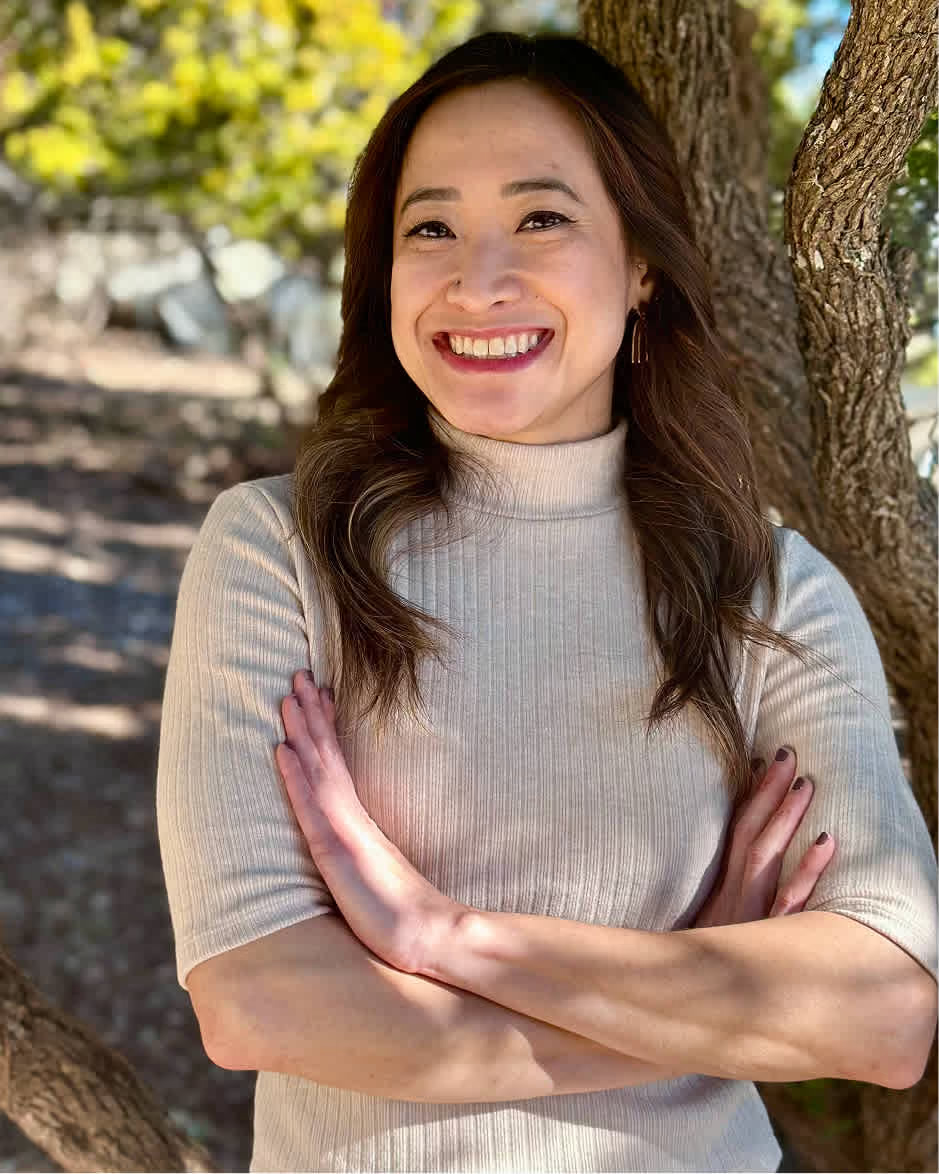
Sees young adults for trauma, depression, life transitions, and anxiety using CBT and ACT.

Works with yound adults on anxiety, depression, trauma, idenity, and life transitions. More than 15 years in school counseling and crisis response.

More than 35 years working with individuals and families. Works with depression, trauma, grief, substance abuse, stress, personality disorders, and relationship concerns.

Works with young adults using Emotion Focused Therapy, CBT, and TF-CBT. Not currently taking new clients.
Can I see the same therapist from high school through college?
Yes, as long as you're in Texas for your sessions. If you start with with a Clear Lake Psychotherapy therapist at 16, you can keep working with them through graduation, college, and a first job without starting over with someone new.
What changes at 18 is who's in charge. With teens, I meet with parents first and check in with them as needed. Once you turn 18, you sign your own consent, and your parents are involved only if you want them to be. If you're a parent looking for help for a younger teen, see our online teen therapy page.
Questions about online therapy young adults.
Don't see your question? Our team is happy to help.
Last reviewed: Oct. 2026 by Rachel Tolentino, MA, LPC
We are here for you.
Reach out and our admin team will help you find the right therapist and verify your benefits.